No. 01 Fundamentals · 9 min read
The Complete Guide to Men’s Office Shirts
Collars, cuffs, fits, fabrics and colours — the details that separate a good office shirt from an ordinary one, and how to use them to build a wardrobe that works every day.
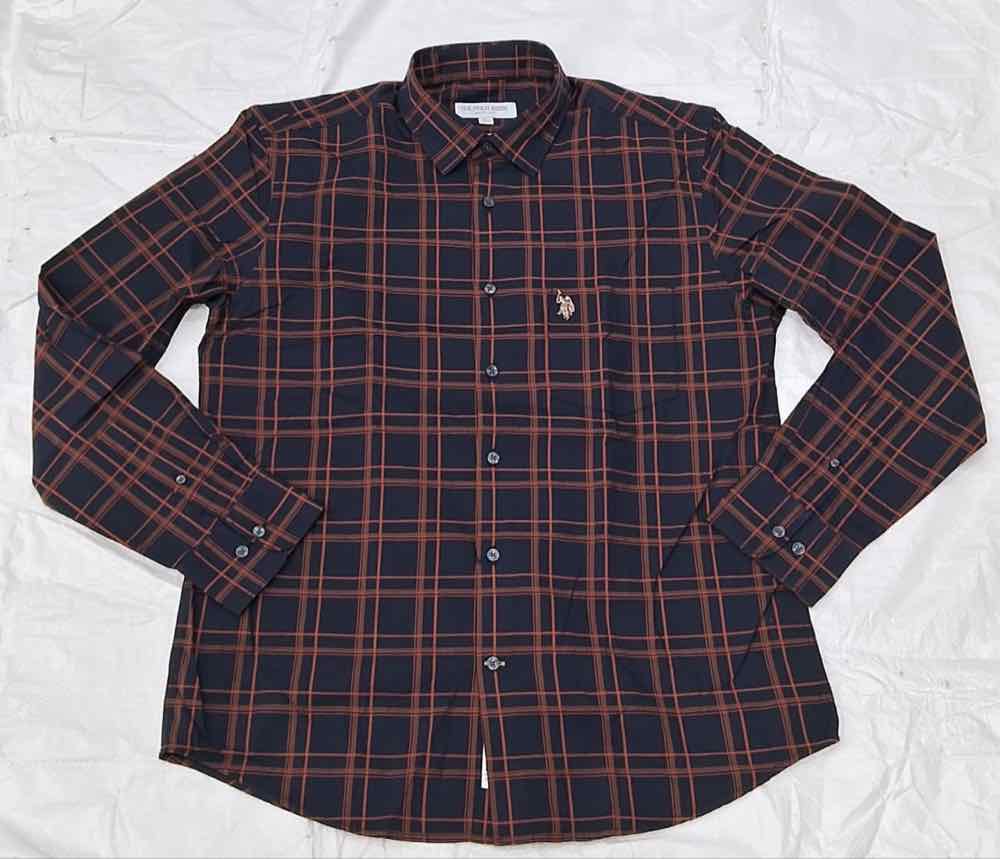
The office shirt is the most-worn garment in a professional man’s wardrobe. It is seen in every meeting, every video call and every handshake, and it is usually the first thing people notice after your face. Yet most men choose shirts by colour alone. This guide explains the anatomy of an office shirt and how each part affects the way you look, so you can choose with intent rather than habit.
The anatomy of an office shirt
Every shirt is built from the same components: collar, yoke, placket, front panels, sleeves, cuffs and hem. Small variations in each change the shirt’s formality.
Collar
The collar frames the face and decides whether the shirt can take a tie. A point collar is narrow and traditional; a semi-spread is the most versatile office choice; a cutaway or wide spread looks modern and suits larger tie knots; a button-down collar is relaxed and best for business casual. Firm collars look formal; soft, unlined collars look casual.
Placket and front
A standard placket (the folded strip carrying the buttons) gives a classic, structured look. A French front, with no visible strip, is cleaner and slightly more formal. A chest pocket adds practicality but reduces formality a little.
Cuffs
Barrel cuffs with one or two buttons are the office standard. Two-button adjustable cuffs help you fine-tune the fit around a watch. French (double) cuffs worn with cufflinks belong to the most formal occasions.
Fit: the first thing people read
Office shirts are usually offered in four fits: slim, contemporary, regular and classic. The difference lies mainly in the chest, waist and sleeve. Whatever the fit, three rules hold:
- The shoulder seam sits on the edge of your shoulder.
- The buttons lie flat across the chest without pulling.
- The cuff reaches the wrist bone when your arms are relaxed.
If a shirt fails any of these, colour and fabric cannot rescue it. Our fits and silhouettes study explains each fit and nine checkpoints in detail.
A modest shirt that fits well will always look better than an expensive shirt that does not.
Fabric and weave
Most office shirts are cotton or cotton-rich. What changes is the weave:
- Poplin — smooth, light and crisp; the classic formal choice.
- Twill — a fine diagonal rib; drapes well and resists creasing.
- Oxford — textured basket weave; durable and relaxed.
- Linen and linen blends — cool and breathable; crease easily.
- Cotton blends — often easier to care for and quicker to dry.
For warm, humid cities such as Mumbai and Thane, prioritise breathability for daily wear, and keep a few smoother, denser shirts for formal meetings in air-conditioned rooms.
Colour and pattern
White and light blue are the foundation of any office wardrobe: they are the most formal and the easiest to pair. Next come fine stripes, micro-checks, soft pastels and greys, then deeper colours such as navy and maroon for evenings and events. As a rule, the lighter and plainer a shirt, the more formal it is; the darker and bolder the pattern, the more relaxed.
Care and longevity
Wash shirts inside out at moderate temperatures, hang them to dry on a proper hanger, and iron while slightly damp for the sharpest finish. Unbutton collars and cuffs before washing. Rotating several shirts through the week extends the life of each one considerably.
Styling recommendations
- Start with two white and two light blue shirts in a fit that suits your build.
- Add one fine stripe and one micro-check for variety without losing formality.
- Choose a collar that suits your face: wider faces balance well with spread collars; narrower faces with point collars.
- Keep one darker solid shirt for evening and celebratory events.
- Re-check fit every year; bodies change, and an old favourite may no longer serve you.
Explore the full office shirts collection to see each category in detail.